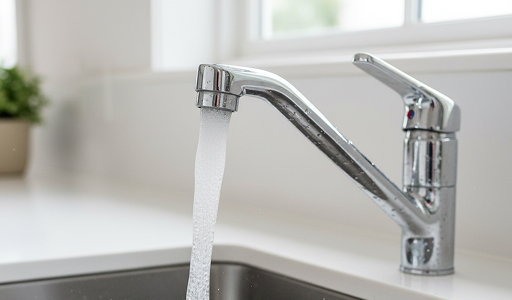
Flushing is one of the most effective and practical control measures for managing Legionella bacteria within hot and cold water systems. It helps prevent water stagnation, removes biofilm build-up, and ensures temperatures remain within safe parameters. However, to be effective, flushing must follow the correct procedures as outlined in HSG274 Part 2. Inconsistent or incomplete flushing can lead to uncontrolled bacterial growth, undermining the entire Legionella control regime.
Why Flushing Matters
When outlets, pipework, or systems are left unused, water becomes stagnant and can warm to temperatures ideal for Legionella growth (between 20°C and 45°C). Regular flushing helps to replace this stagnant water with fresh water from the supply, maintaining temperature control and minimising the potential for bacterial proliferation.
Flushing is particularly critical during periods of low occupancy, system downtime, or seasonal closures — for example, in schools during holidays or commercial buildings with irregular use. These situations create pockets of stagnant water, making scheduled flushing an essential control activity.
Following the Correct HSG274 Part 2 Procedure
HSE's HSG274 Part 2 provides clear guidance on how flushing should be conducted to control Legionella effectively. The key points include:
Frequency – Outlets that are not used regularly should be flushed at least weekly.
Duration – Each outlet should be flushed long enough to ensure fresh water from the supply replaces stagnant water in the entire branch pipework.
Temperature Verification – After flushing, outlets should reach stable temperatures comparable with that of the source supplying the outlet.
Systematic Approach – Flushing must be methodical, ensuring all infrequently used outlets are included in a documented schedule.
Following these steps is vital to ensuring the flushing regime is effective and provides measurable Legionella control outcomes.
Consequences of Incorrect or Incomplete Flushing
Failure to follow the correct procedure can have serious implications:
Increased Legionella Risk – Stagnant water allows bacteria to multiply, increasing the risk of Legionnaires' disease outbreaks.
Temperature Non-Compliance – Insufficient flushing may fail to achieve control temperatures, leaving water within the bacterial growth range of 20°C to 45°C.
False Sense of Security – Performing ad-hoc or superficial flushing can give the impression that systems are safe when risks remain unmanaged.
Regulatory Non-Compliance – Not following HSG274 Part 2 can result in breaches of health and safety legislation, leading to potential enforcement actions or prosecution.
Regular audits and temperature monitoring should therefore accompany all flushing activity to confirm that control measures are effective.
The Importance of Accurate and Accessible Records
Recording flushing activities accurately is just as important as the physical task itself. HSG274 Part 2 requires evidence of Legionella control measures to demonstrate compliance and due diligence.
Your flushing records should include:
The date and time of flushing
The location and outlet flushed
The duration of flushing
Temperature readings before and after flushing
The name or initials of the person carrying out the task
Detailed, consistent records not only prove compliance but also help identify patterns or recurring issues within the system.
Using a digital Legionella logbook ensures these records are easy to update, retrieve, and review. Cloud-based systems, such as the Legionella Logbook, make compliance management simpler, providing secure, centralised access to data for responsible persons, auditors, and maintenance teams.
Flushing is a simple yet essential control measure for managing Legionella bacteria. When carried out correctly — and in accordance with HSG274 Part 2 — it helps maintain safe water systems, prevent stagnation, and support compliance. Equally, maintaining detailed, accessible, and accurate flushing records is vital to demonstrate control, identify risks early, and ensure long-term system safety.

Andrew Arnold
Co‑founder & Director
Andrew has over 20 years' experience in Legionella management and control. As a senior member of the Water Management Society and educated to masters level Andrew has extensive experience in legionella risk assessment of numerous systems and sectors.